
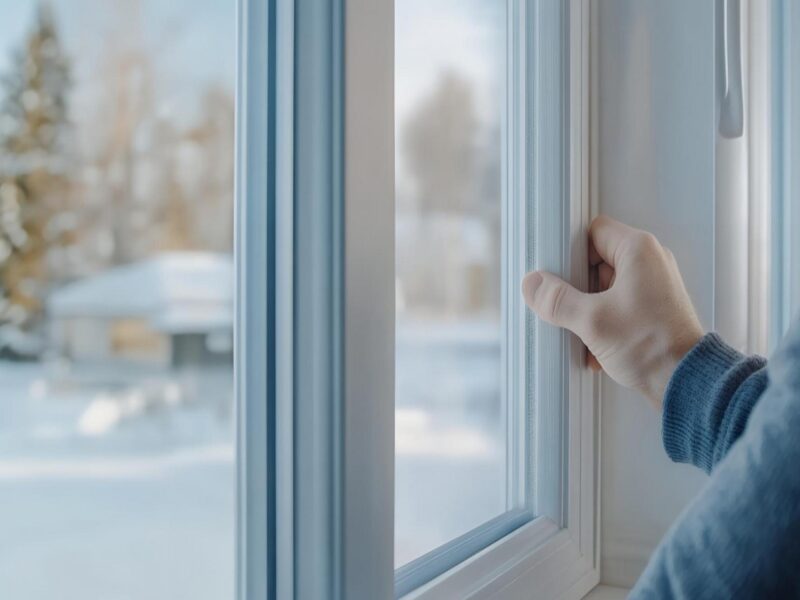
How Long Does Double Glazing Last and When Should You Replace It?
Double glazing has become a standard feature in modern homes, valued for its ability to improve energy efficiency, reduce noise, and enhance comfort. Yet, like any part of a property, it doesn’t last forever. Over time, even well-installed units can begin to show signs of wear, leaving homeowners wondering whether repair or replacement is the better option.
If you’ve noticed condensation between panes or reduced insulation, it may be time to consider replacing misted double glazing. Understanding how long double glazing typically lasts and recognizing the warning signs early can help you make informed decisions and avoid unnecessary costs.
What Is the Typical Lifespan of Double Glazing?
Most double-glazing units are designed to last between 20 and 30 years. However, this lifespan can vary depending on several factors, including the quality of materials, installation standards, and exposure to environmental conditions.
Well-maintained windows in sheltered areas may last longer, while those exposed to harsh weather or poor installation may deteriorate sooner. Seals, in particular, are often the first component to fail, leading to reduced performance.
Signs Your Double Glazing May Need Replacing
Even if your windows are within their expected lifespan, certain issues can indicate that replacement is necessary. These signs often develop gradually but should not be ignored.
One of the most common indicators is condensation forming between the panes. This usually means the seal has failed, allowing moisture to enter. At this stage, many homeowners consider misted double glazing replacement to restore clarity and insulation.
Other warning signs include noticeable draughts, difficulty opening or closing windows, and increased external noise. These issues suggest that the unit is no longer performing as intended.
Why Double Glazing Fails Over Time
Double-glazing units rely on airtight seals to maintain their insulating properties. Over time, these seals can degrade due to temperature fluctuations, moisture, and natural wear.
Frame materials also play a role. uPVC frames are durable but can weaken over decades, while timber frames require regular maintenance to prevent rot. Additionally, poor installation can accelerate failure, making early replacement more likely.
Repair or Replace: What’s the Right Choice?
In some cases, minor issues such as faulty hinges or handles can be repaired without replacing the entire unit. However, when the sealed unit itself has failed, replacement is often the most effective solution.
Choosing misted double glazing replacement ensures that the insulating gas between panes is restored, improving energy efficiency and preventing further moisture build-up. It also enhances the overall appearance of your windows.
Benefits of Replacing Old Double Glazing
Upgrading your double glazing offers more than just a visual improvement. It can significantly enhance your home’s performance and comfort.
- Improved energy efficiency, helping to reduce heating bills
- Better noise insulation, especially in busy areas
- Enhanced security with modern locking systems
- Increased property value and kerb appeal
- Reduced condensation and improved indoor air quality
These benefits make replacement a worthwhile investment, particularly if your existing units are no longer functioning effectively.
How to Extend the Life of Your Double Glazing
While replacement is sometimes unavoidable, proper care can help extend the lifespan of your windows. Regular cleaning, checking seals, and ensuring frames are in good condition can delay the need for replacement.
Avoid harsh cleaning products and inspect your windows periodically for early signs of damage. Addressing small issues promptly can prevent more significant problems later on.
Conclusion
Double glazing is a long-term investment, but it does not last indefinitely. With an average lifespan of 20 to 30 years, most units will eventually require attention. Recognizing early warning signs such as condensation, draughts, or reduced performance allows you to act before problems worsen.
Opting for misted double-glazing replacement when seals fail can restore efficiency, improve comfort, and maintain the appearance of your home. By understanding when to repair and when to replace, homeowners can make practical, cost-effective decisions that protect both their property and energy usage.



No Comment