
The Environmental Case for Switching to Printed Paper Bags in Your Business
Sustainability is no longer a niche concern reserved for environmentally conscious brands—it has become a core expectation among consumers, regulators, and stakeholders alike. Businesses across industries are now under increasing pressure to rethink their packaging choices and reduce their environmental footprint. One of the most visible and impactful changes a company can make is in how it packages products at the point of sale.
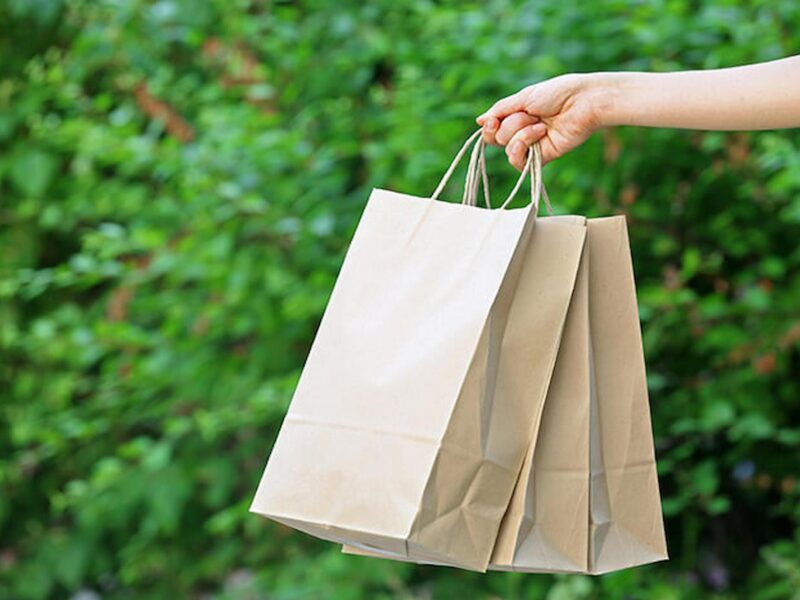
For many organisations, the shift towards printed paper bags represents a practical and responsible step forward. These bags not only offer a more sustainable alternative to plastic but also align with modern expectations around ethical sourcing, recyclability, and brand transparency.
The Problem with Traditional Plastic Packaging
Plastic bags have long been a staple in retail and hospitality due to their low cost and durability. However, their environmental impact is significant and well documented. Most conventional plastic bags are derived from fossil fuels, require substantial energy to produce, and can take hundreds of years to decompose.
Even when disposed of responsibly, plastic waste often escapes into ecosystems, contributing to pollution in oceans and landscapes. Microplastics, formed as these materials break down, are now found in soil, water, and even the food chain. This growing awareness has prompted stricter regulations across the UK and Europe, including charges on single-use plastics and outright bans in some cases.
For businesses, continuing to rely on plastic packaging increasingly poses reputational risks alongside environmental concerns.
Why Paper Bags Offer a More Sustainable Alternative
Printed paper bags present a clear environmental advantage when sourced and used responsibly. Unlike plastic, paper is biodegradable and can break down naturally within weeks or months under the right conditions. This significantly reduces long-term environmental harm.
Another key benefit lies in recyclability. Paper bags can be easily recycled multiple times, helping to reduce waste and conserve raw materials. Many are now produced using recycled fibres, further lowering their environmental impact.
Additionally, responsibly managed forests—certified by organisations such as FSC (Forest Stewardship Council)—ensure that paper production supports sustainable forestry practices. This means that new trees are planted to replace those used, maintaining ecological balance.
Lower Carbon Footprint Over the Lifecycle
While paper production does require energy and resources, advances in manufacturing processes have improved efficiency and reduced emissions. When considering the full lifecycle—from raw material extraction to disposal—paper bags often present a lower environmental burden compared to single-use plastics.
Transport efficiency is another factor worth noting. Paper bags are increasingly designed to be lightweight yet durable, reducing emissions associated with distribution. Moreover, their ability to decompose or be recycled locally minimises the environmental costs linked to long-term waste management.
Businesses aiming to reduce their carbon footprint can therefore benefit from integrating paper-based packaging into their operations.
Supporting Circular Economy Principles
The transition to paper bags aligns closely with the principles of a circular economy—an approach focused on reducing waste and keeping materials in use for as long as possible.
Paper bags can be reused by customers for various purposes, from carrying goods to storage. When they reach the end of their usable life, they can be recycled into new paper products, closing the loop and reducing the demand for virgin materials.
This circularity contrasts sharply with the linear model of plastic use, where products are often disposed of after a single use and rarely recycled effectively.
Enhancing Brand Perception and Consumer Trust
Sustainability is not only an environmental issue but also a powerful driver of consumer behaviour. Today’s customers are more informed and selective, often choosing brands that demonstrate genuine commitment to responsible practices.
Switching to paper bags allows businesses to communicate their values clearly. The visual and tactile qualities of paper convey a sense of quality, care, and environmental awareness. When combined with thoughtful design, these bags can become an extension of the brand experience.
Importantly, this shift can also help build trust. Customers are more likely to support businesses that take visible steps to reduce their environmental impact, particularly when those efforts are authentic and consistent.
Practical Advantages for Businesses
Beyond sustainability, paper bags offer several practical benefits that make them a viable choice for a wide range of industries.
They are versatile and can be customised in various sizes, styles, and finishes to suit different products. From retail boutiques to takeaway food outlets, paper bags can accommodate diverse needs while maintaining a professional appearance.
Durability has also improved significantly in recent years. Reinforced handles and high-quality materials ensure that modern paper bags are strong enough for everyday use, addressing concerns that once limited their adoption.
Furthermore, as demand increases and production scales up, the cost difference between paper and plastic options continues to narrow, making the transition more accessible for businesses of all sizes.
Compliance with Environmental Regulations
Governments across the UK and Europe are introducing stricter policies aimed at reducing plastic waste. Charges on single-use plastic bags, extended producer responsibility schemes, and packaging taxes are becoming more common.
By adopting paper-based alternatives, businesses can stay ahead of these regulations and avoid potential penalties. This proactive approach not only ensures compliance but also demonstrates leadership in environmental responsibility.
It also reduces the need for frequent operational changes as regulations evolve, providing greater stability in the long term.
Addressing Common Concerns
Despite the clear advantages, some businesses hesitate to switch due to concerns about cost, durability, or environmental trade-offs. While these considerations are valid, many of them are based on outdated perceptions.
Modern paper bags are engineered to balance strength and sustainability. When sourced from certified suppliers and used appropriately, they offer a reliable and environmentally responsible solution.
Cost concerns can often be offset by the added value they bring in terms of branding, customer perception, and regulatory compliance. In many cases, the long-term benefits outweigh the initial investment.
A Step Towards Responsible Business Practices
The move towards paper bags is more than a packaging decision—it reflects a broader commitment to responsible business practices. It signals an awareness of environmental challenges and a willingness to take meaningful action.
For businesses seeking to align with modern expectations, reduce their environmental impact, and strengthen their brand identity, this transition offers a clear and achievable path forward.
Conclusion
As environmental concerns continue to shape consumer expectations and regulatory landscapes, businesses must adapt to remain relevant and responsible. Packaging choices play a crucial role in this transition, offering a tangible way to reduce impact and demonstrate commitment.
Paper bags provide a practical, sustainable alternative to plastic, combining environmental benefits with functional and branding advantages. By making this switch, businesses can contribute to a more sustainable future while enhancing their reputation and meeting the expectations of today’s conscientious consumers.
In an increasingly competitive and environmentally aware market, small changes can make a significant difference—and this is one change that delivers on multiple fronts.



No Comment