
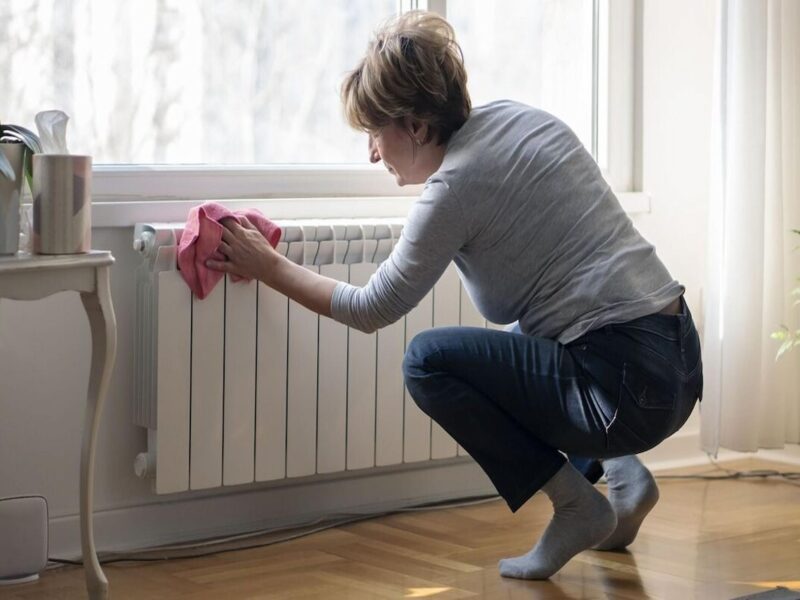
How Upgrading Your Radiators Could Reduce Your Energy Bills Significantly
Rising energy costs have made household efficiency a priority for many homeowners. While insulation and boiler upgrades often take centre stage, radiators themselves are frequently overlooked. Yet, these essential fixtures play a crucial role in how effectively your heating system performs.
If your radiators are outdated or inefficient, they may be costing you more than you realise. Exploring options such as early on can offer a practical starting point for reducing unnecessary energy waste while improving overall comfort.
Radiators: Small Fixtures, Big Impact
Radiators are responsible for distributing heat throughout your home. Even the most efficient boiler cannot compensate for poorly performing radiators. Older models may struggle to retain and release heat effectively, leading to uneven temperatures and increased energy consumption.
Modern radiators are designed with improved materials and better heat output capabilities. This means they can warm a space more quickly and maintain a consistent temperature using less energy. In the long term, this translates into noticeable savings on your energy bills.
Signs Your Radiators Need an Upgrade
Not every radiator needs replacing immediately, but certain warning signs indicate it may be time to consider improvements:
- Cold spots, particularly at the top or bottom
- Slow heating despite the boiler working efficiently
- Frequent need for bleeding
- Visible corrosion or leaks
- Rooms that never seem to reach a comfortable temperature
If you recognise these issues, investing in cheap radiator improvements can help restore efficiency without a complete overhaul of your heating system.
How Modern Radiators Improve Efficiency
Upgrading your radiators is not just about aesthetics. Modern designs incorporate technology that enhances heat transfer and energy use. Key improvements include:
- Better heat conductivity: Materials like aluminium heat up faster than traditional cast iron
- Improved design: Larger surface areas allow for more effective heat distribution
- Thermostatic controls: Allow room-by-room temperature regulation
- Lower water content: Requires less energy to heat up
These features ensure your heating system works smarter rather than harder, reducing overall energy demand.
Cost-Effective Ways to Upgrade Radiators
You do not always need a full replacement to see benefits. There are several budget-friendly upgrades that can make a meaningful difference:
- Install reflective panels behind radiators to reduce heat loss through walls
- Fit thermostatic radiator valves (TRVs) to control individual room temperatures
- Bleed radiators regularly to maintain efficiency
- Replace single-panel radiators with double-panel versions for better output
- Reposition furniture to avoid blocking heat circulation
- Consider repainting with heat-resistant paint to improve heat emission
These cheap radiator improvements can deliver noticeable results without significant upfront costs.
The Long-Term Financial Benefits
Although upgrading radiators involves an initial investment, the savings over time can be substantial. Improved efficiency reduces the workload on your boiler, which can also extend its lifespan and lower maintenance costs.
Additionally, better heat distribution means you may not need to keep your heating on for as long or at as high a temperature. Over the course of a year, this reduction in usage can lead to meaningful savings on your energy bills.
Environmental Advantages
Energy efficiency is not only beneficial for your finances—it also reduces your environmental impact. Lower energy consumption means fewer carbon emissions, contributing to a more sustainable household.
Even small steps, such as implementing cheap radiator improvements, can collectively make a significant difference when adopted widely.
Conclusion
Upgrading your radiators is a practical and often underestimated way to improve home efficiency. Whether through simple enhancements or full replacements, optimising how heat is distributed can significantly reduce energy consumption and associated costs.
By addressing inefficiencies early and considering cost-effective solutions, homeowners can create a warmer, more comfortable living environment while keeping expenses under control.


No Comment