

An Essential Guide to Employment and Workplace Laws
Employment and workplace laws shape how people work, earn, and are treated every day. They define the rights of employees and the duties of employers. They also set clear standards for fairness, safety, and respect at work. Understanding these laws is not only helpful but necessary for anyone involved in the modern workplace.
This guide explains key employment and workplace laws in clear, simple terms. It is written to help employees protect their rights and employers meet their responsibilities with confidence.
The Purpose of Employment and Workplace Laws
Employment laws exist to create balance at work. They aim to protect workers from unfair treatment while giving employers a clear framework to manage staff lawfully. Without these rules, workplaces would be open to misuse of power and unsafe practices.
Over time, employment laws have evolved to reflect changes in society. Issues such as equal pay, workplace safety, and fair dismissal have become central. Today, these laws support dignity at work and promote stable working relationships.
Employment Contracts and Working Terms
At the heart of every job is an employment contract. This does not always have to be written, but a written agreement provides clarity for both sides. It explains pay, hours, duties, and notice periods.
Clear contracts reduce confusion. They help prevent disputes about roles or expectations. They also ensure that workers know what they are entitled to from the start. Fair terms create trust, which is vital for a healthy workplace.
Wages, Hours, and Fair Pay
Pay and working hours are key concerns for most workers. Employment laws set rules to ensure people are paid fairly for the time they work. They also limit excessive working hours to protect health and well-being.
Fair pay laws help prevent exploitation. They ensure that wages reflect the work done and are paid on time. Rules around rest breaks and holidays also play an important role. Together, these laws support work-life balance and long-term productivity.
Equality and Fair Treatment at Work
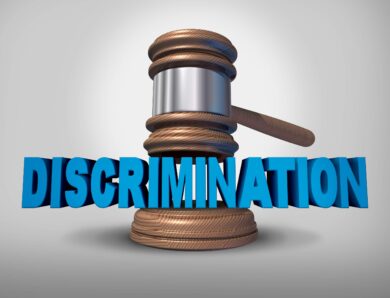
Equality is a core principle of modern employment law. Workers must not be treated unfairly because of personal traits such as age, gender, disability, or background. Fair treatment builds respect and strengthens workplace culture.
Laws in this area encourage inclusion and equal opportunity. They apply to recruitment, promotion, pay, and training. When equality is taken seriously, workplaces become more positive and effective.
Health, Safety, and Wellbeing
Every employee has the right to a safe working environment. Health and safety laws place a duty on employers to reduce risks and protect staff from harm. This includes physical safety and mental well-being.
Safe workplaces are not just about avoiding accidents. They also involve proper training, clear procedures, and open communication. When safety is prioritised, employees feel valued and supported.
Managing Discipline and Workplace Issues
Problems at work can arise in any organisation. Employment laws guide how these issues should be handled. Fair procedures are essential when dealing with concerns such as misconduct or poor performance.
Clear processes protect both employees and employers. Workers have the right to be heard, while employers have the right to manage their business. Following proper steps helps prevent conflict and legal disputes.
Dismissal and Ending Employment
Ending employment is one of the most sensitive areas of workplace law. Dismissal must be fair and based on valid reasons. Employees also have the right to notice and, in some cases, a chance to improve.
Unfair dismissal laws exist to prevent sudden or unjust job loss. They promote transparency and fairness. When handled correctly, even difficult exits can be managed with professionalism and respect.
Resolving Workplace Disputes
Disagreements at work are not uncommon. Employment laws encourage early and fair resolution. Many issues can be settled through discussion or mediation before they escalate.
Seeking advice early can make a significant difference. Experienced employment law professionals, such as HKM Oakland, help individuals and organisations understand their options and move forward with clarity. Trusted guidance ensures that rights are protected and responsibilities are met.
Why Understanding Employment Law Matters
Knowledge of employment law empowers people. Employees who understand their rights are better placed to speak up. Employers who understand their duties can build strong, lawful workplaces.
Employment laws are not designed to create conflict. Instead, they provide structure and fairness. When followed properly, they support long-term success for both workers and businesses.
Staying Informed in a Changing Workplace
Workplace laws continue to evolve. Changes in working patterns, remote roles, and employee expectations all influence legal standards. Staying informed is essential in a fast-changing work environment.
Regular updates and professional advice help ensure compliance. They also reduce risk and promote trust. A well-informed workplace is more resilient and better prepared for the future.
Conclusion
Employment and workplace laws form the foundation of fair and respectful working relationships. They protect employees, guide employers, and promote work-life balance. Understanding these laws is not optional. It is a responsibility shared by everyone in the workplace.
With clear knowledge and the right support, workplace challenges can be managed effectively. By following the principles of fairness, safety, and equality, organisations can create environments where people thrive.

No Comment