
Transforming Classrooms with Technology to Enhance Collaboration and Growth
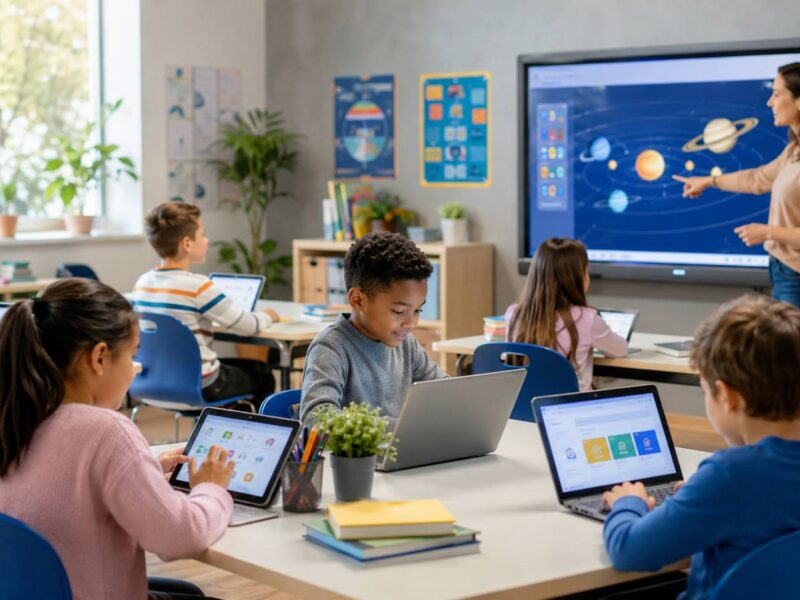
Technology has changed nearly every part of our lives, and education is no exception. Today’s classrooms look very different from those of just a decade ago. Instead of relying only on textbooks and lectures, teachers now use digital tools, interactive platforms, and online resources to create engaging learning experiences that encourage students to think, collaborate, and grow.
The goal of classroom technology is not simply to replace traditional teaching methods. It is to make learning more interactive, personalized, and accessible while helping students develop the skills they need for the future.
In this guide, we’ll explore how technology is transforming modern classrooms, the benefits it offers, the challenges schools face, and the best practices for using educational technology effectively.
Why Technology Matters in Modern Education
Education today goes beyond memorizing facts. Students are expected to solve problems, communicate effectively, work in teams, and think creatively. Technology supports these goals by making learning more flexible and interactive.
Instead of being passive listeners, students become active participants. They can research information instantly, collaborate on projects in real time, and receive immediate feedback on their progress.
Technology also helps teachers deliver lessons that match different learning styles, making education more inclusive and engaging.
How Technology Is Transforming Today’s Classrooms
Modern classrooms use a wide range of digital tools that improve both teaching and learning.
Some of the most common examples include:
- Interactive smart boards
- Learning management systems (LMS)
- Educational apps
- Tablets and laptops
- Cloud-based collaboration platforms
- Digital assessments
- Virtual classrooms
- AI-powered learning assistants
- Video conferencing tools
- Online educational resources
These technologies allow teachers to create dynamic lessons while giving students more control over how they learn.
Encouraging Better Student Collaboration
One of the biggest advantages of classroom technology is improved collaboration.
Students no longer have to sit together physically to work on a project. Cloud-based tools let them contribute ideas, edit documents, share presentations, and communicate from anywhere.
Technology encourages:
- Team-based problem solving
- Group research projects
- Shared presentations
- Peer feedback
- Brainstorming sessions
- Interactive discussions
Collaboration becomes more organized because everyone can contribute equally, and teachers can monitor participation more easily.
Making Learning More Personalized
Every student learns differently.
Some understand concepts quickly, while others need additional practice. Technology allows teachers to personalize instruction based on individual needs.
Adaptive learning platforms can:
- Adjust lesson difficulty
- Recommend extra practice
- Identify learning gaps
- Track progress automatically
- Provide instant feedback
Students can move at a pace that suits them instead of trying to keep up with an entire class.
This creates a more supportive learning environment where every learner has a better chance of succeeding.
Increasing Student Engagement
Keeping students engaged has always been a challenge.
Technology makes lessons more interactive through videos, quizzes, simulations, animations, and educational games.
Interactive activities help students:
- Stay focused longer
- Participate actively
- Retain information better
- Enjoy learning
- Build confidence
When students enjoy the learning process, they become more motivated to explore new topics independently.
Supporting Different Learning Styles
Every classroom includes students with different strengths.
Technology helps teachers accommodate various learning preferences.
For example:
Visual learners benefit from
- Videos
- Infographics
- Interactive diagrams
- Digital whiteboards
Auditory learners benefit from
- Podcasts
- Recorded lectures
- Speech-based learning tools
Hands-on learners benefit from
- Virtual labs
- Interactive simulations
- Educational games
- Coding platforms
Providing multiple learning formats helps every student understand concepts more effectively.
Improving Communication Between Teachers, Students, and Parents
Communication plays a major role in educational success.
Digital platforms make it easier for everyone to stay connected.
Teachers can:
- Share assignments instantly
- Send announcements
- Provide feedback
- Track attendance
- Communicate with parents
Parents can monitor their child’s academic progress without waiting for scheduled meetings.
Students also receive reminders, updates, and learning resources whenever they need them.
Developing Future-Ready Skills
Technology prepares students for careers that increasingly depend on digital skills.
Beyond subject knowledge, students develop important abilities such as:
- Digital literacy
- Critical thinking
- Research skills
- Communication
- Collaboration
- Creativity
- Problem-solving
- Time management
- Information evaluation
These skills are valuable across nearly every profession.
Expanding Access to Educational Resources
The internet gives students access to an enormous amount of educational content.
Instead of relying on a single textbook, learners can explore:
- Educational videos
- Interactive tutorials
- Online libraries
- Digital textbooks
- Research databases
- Practice exercises
- Virtual field trips
- Expert lectures
This broader access encourages curiosity and independent learning.
The Role of Artificial Intelligence in Education
Artificial intelligence is becoming an important part of modern classrooms.
AI-powered tools can assist both teachers and students by automating routine tasks and providing personalized support.
Examples include:
- Automated grading
- Personalized study recommendations
- Writing assistance
- Language translation
- Learning analytics
- Intelligent tutoring systems
AI does not replace teachers. Instead, it helps them spend more time focusing on student learning rather than administrative work.
Benefits for Teachers
Technology supports teachers just as much as students.
Educators can:
- Create interactive lessons quickly
- Organize classroom materials
- Monitor student performance
- Identify struggling learners early
- Automate grading
- Communicate more efficiently
- Access professional development resources
These improvements reduce workload while improving instructional quality.
Building Inclusive Learning Environments
Technology makes education more accessible for students with diverse needs.
Accessibility tools include:
- Screen readers
- Speech-to-text software
- Closed captions
- Adjustable text sizes
- Translation features
- Audio learning materials
These features help ensure every student has an equal opportunity to participate and succeed.
Challenges of Classroom Technology
While technology offers many benefits, it also presents challenges that schools must address.
Common issues include:
Unequal access
Not every student has reliable internet access or personal devices at home.
Teacher training
Educators need ongoing professional development to use technology effectively.
Digital distractions
Students can become distracted by games, social media, or unrelated websites.
Cybersecurity concerns
Schools must protect student data and maintain secure digital systems.
Screen time balance
Technology should complement traditional teaching rather than replace face-to-face interaction completely.
Recognizing these challenges allows schools to develop better strategies for successful technology integration.
Best Practices for Using Technology in the Classroom
Successful technology integration requires thoughtful planning.
Schools should focus on:
- Setting clear learning objectives
- Choosing age-appropriate digital tools
- Providing teacher training
- Encouraging collaborative learning
- Protecting student privacy
- Balancing online and offline activities
- Regularly evaluating educational outcomes
- Teaching responsible digital citizenship
Technology should always support learning goals rather than become the goal itself.
Frequently Asked Questions
How does technology improve collaboration in classrooms?
Technology enables students to work together through shared documents, online discussions, collaborative presentations, cloud-based projects, and virtual teamwork regardless of their physical location.
Can technology replace teachers?
No. Technology supports teachers by making lessons more engaging and reducing administrative tasks, but human guidance, encouragement, and expertise remain essential to effective education.
What skills do students gain from classroom technology?
Students develop digital literacy, communication, collaboration, creativity, research skills, critical thinking, problem-solving, and responsible online behavior.
What are the biggest challenges of educational technology?
The most common challenges include unequal access to devices, internet connectivity, teacher training, cybersecurity, digital distractions, and maintaining a healthy balance between screen time and traditional learning.
How can schools use technology effectively?
Schools should align technology with educational goals, invest in teacher training, provide reliable infrastructure, promote digital citizenship, and regularly assess learning outcomes.
The Future of Technology in Education
Educational technology continues to evolve rapidly.
Emerging innovations such as artificial intelligence, virtual reality, augmented reality, adaptive learning systems, and immersive simulations will create even more personalized and engaging learning experiences.
Future classrooms are likely to become increasingly connected, flexible, and student-centered. Teachers will continue to play a vital role by guiding students, encouraging critical thinking, and helping them use technology responsibly.
The most successful schools will be those that combine innovative digital tools with strong teaching practices and meaningful human interaction.
Conclusion
Technology has transformed classrooms into more collaborative, engaging, and inclusive learning environments. From personalized instruction and real-time collaboration to AI-powered support and improved communication, educational technology gives both teachers and students powerful tools to achieve better outcomes.
However, technology is most effective when it enhances—not replaces—quality teaching. Schools that invest in thoughtful implementation, teacher training, digital accessibility, and responsible technology use can create learning environments where every student has the opportunity to thrive. As education continues to evolve, the thoughtful integration of technology will remain essential for preparing learners with the knowledge, skills, and confidence they need to succeed in an increasingly digital world.




No Comment