
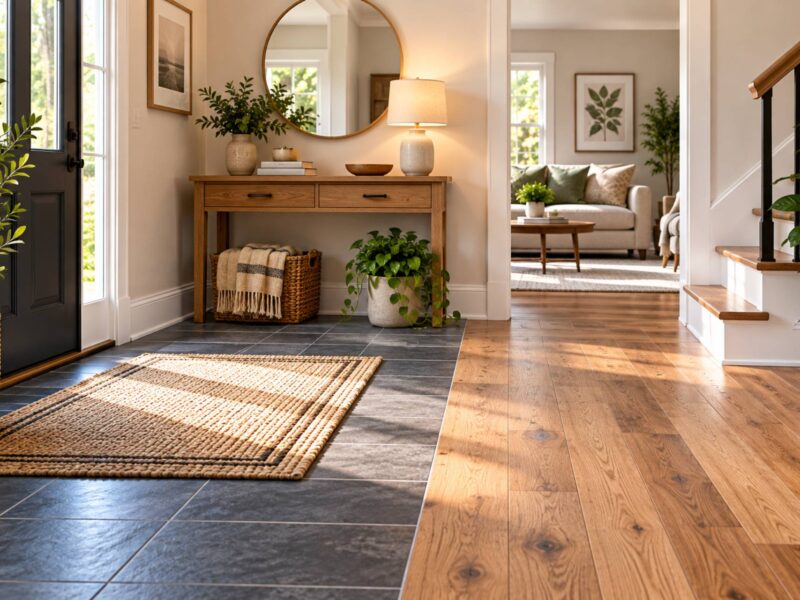
Affordable Flooring Updates for a Fresh Home Look
A tired floor can make an otherwise attractive room feel dated. The good news is that improving your flooring does not always mean removing everything and starting again. Small repairs, thoughtful finishes, affordable materials, and careful styling can make a noticeable difference without turning the project into a major renovation.
The right approach depends on the condition of your existing floor, how the room is used, and how much you want to spend. Before replacing anything, look closely at what you already have. Scratches, faded finishes, worn grout, stained carpet, or dated colours can often be improved for much less than the cost of a complete replacement.
Start by Deciding What Really Needs Changing
It is easy to assume that an old-looking floor needs to be replaced. In many homes, however, the underlying material is still perfectly usable.
Hardwood may simply need cleaning, polishing, or refinishing. Laminate can sometimes be improved by replacing a few damaged boards. Tile may look significantly better once the grout has been cleaned or renewed. Even carpet can feel fresher after a deep clean and a few small repairs.
Look for the actual source of the problem. If the flooring is structurally sound, working with what you have will usually be the most affordable option.
A quick assessment should consider:
- Cracks, chips, or loose sections
- Water damage or signs of moisture
- Deep scratches and permanent stains
- Uneven or damaged subfloors
- Worn finishes
- Gaps between boards or tiles
- Areas exposed to heavy daily traffic
If the damage is mainly cosmetic, a modest update may be all that is required.
Refresh Existing Hardwood Floors
Real wood flooring can lose its shine over time, particularly in busy areas such as hallways, kitchens, and living rooms. That does not necessarily mean the floor has reached the end of its useful life.
Start with a thorough clean using a product suitable for the type of finish on the wood. Dirt trapped in small scratches often makes the surface look worse than it really is.
For floors with light surface wear, polishing or applying an appropriate maintenance coating may restore some of the original appearance. More heavily worn timber may benefit from professional sanding and refinishing.
Refinishing can be especially worthwhile when replacing solid wood would cost substantially more. It also allows you to adjust the stain or finish so the flooring works better with your current furniture and colour scheme.
Consider Affordable Vinyl Flooring
Modern vinyl has moved far beyond the basic designs many people associate with older homes. It is now available in finishes that imitate timber, stone, concrete, and patterned tiles.
Vinyl can be practical for kitchens, utility rooms, entrances, and other spaces where easy cleaning matters. Some products are also suitable for DIY installation, although careful preparation is still important.
Before comparing different flooring choices, think about more than appearance. Consider durability, moisture resistance, maintenance requirements, installation, and how the material will perform in the specific room.
A slightly more expensive floor that performs well for years can offer better value than the cheapest product available.
Use Laminate for the Look of Wood on a Smaller Budget
Laminate remains popular because it can provide the appearance of timber without the cost associated with many real wood products.
It can work particularly well in bedrooms, living rooms, dining areas, and home offices. Available designs range from pale oak effects to darker finishes and more contemporary wide-board styles.
The quality of laminate varies considerably, so check whether the product is appropriate for the room where it will be installed. Kitchens, entrances, and other areas exposed to moisture or heavy traffic may require a more durable specification.
Installation quality also matters. Uneven subfloors, poor expansion gaps, and rushed fitting can affect the finished appearance and lifespan of the floor.
Give Old Tiles a Second Chance
Ceramic and porcelain tiles can last for many years, but grout often becomes discoloured before the tiles themselves need replacing.
Deep cleaning the grout is one of the simplest ways to revive an older tiled floor. Where cleaning is not enough, refreshing or replacing the grout can create a much cleaner finish.
Small chipped or cracked tiles may also be replaceable individually, particularly if spare tiles from the original installation are available.
If the tile design still works with the room, repairing rather than replacing it can save money, reduce disruption, and prevent perfectly usable materials from being discarded.
Add Rugs Instead of Replacing the Entire Floor
A large area rug can change the appearance of a room immediately. It is especially useful when a floor is slightly dated but still in good condition.
Rugs can introduce colour, texture, warmth, and pattern while covering heavily worn sections. They also make it easier to change the room later without committing to permanent flooring.
Choose a size that relates properly to the furniture. In a living room, a rug that is too small can make the layout feel disconnected. A larger rug that sits beneath the front legs of sofas and chairs usually creates a more balanced appearance.
Pairing a refreshed floor with simple changes to your wall décor can also make the whole room feel updated without requiring major structural work.
Try Peel-and-Stick Flooring for Small Areas
Peel-and-stick tiles can provide a low-cost update for certain rooms and temporary projects. They come in stone, geometric, wood-effect, and decorative patterns.
They are often most successful in smaller spaces where careful preparation is manageable. Utility rooms, small entrances, cloakrooms, or compact home offices may be suitable candidates depending on the product.
Surface preparation is important. The base needs to be clean, smooth, dry, and stable. Applying adhesive tiles over an unsuitable surface can lead to lifting edges and an uneven finish.
They may not offer the same lifespan as more permanent flooring, but they can be useful when the goal is a quick visual improvement on a limited budget.
Paint Suitable Floors for a Completely Different Look
Some timber and concrete floors can be transformed with specialist floor paint.
Paint can be particularly effective when the existing surface is unattractive but structurally sound. Neutral shades can make smaller rooms feel brighter, while darker colours may add character to larger spaces.
Preparation is the most important part of the job. The surface may need cleaning, sanding, repairing, and priming before the final coating is applied.
Always use a product specifically intended for floors. Ordinary wall paint is not designed to cope with regular foot traffic and can wear quickly.
Focus Your Budget on the Rooms That Matter Most
You do not need to update every floor at once.
Start with the spaces where worn flooring has the biggest effect. Entrances, living rooms, kitchens, and hallways often receive the most traffic and are among the first areas people notice.
Bedrooms and less frequently used rooms may be perfectly acceptable with smaller cosmetic improvements.
Prioritising one or two rooms gives you greater control over spending and allows you to choose better materials where durability is most important.
It also prevents a common renovation problem: spreading the budget so thinly across the whole house that none of the finished areas feels complete.
Keep Flooring Consistent Between Connected Spaces
Using too many unrelated floor finishes can make a home feel visually fragmented.
Where rooms connect directly, similar colours or compatible materials help create a more natural flow. You do not necessarily need identical flooring everywhere. Instead, look for tones and textures that complement one another.
For example, a warm wood-effect floor in the living room can work well beside a neutral stone-effect kitchen floor if both share similar undertones.
Consistency can also make compact homes appear more spacious because the eye moves more easily from one area to another.
Choose the Right Floor for How You Live
An attractive floor is only a good investment if it suits everyday life.
Homes with children, pets, regular visitors, or heavy foot traffic generally benefit from durable, easy-to-clean surfaces. A delicate finish that constantly needs protection may become frustrating even if it looks excellent when first installed.
Think about:
- How often the room is used
- Whether shoes are regularly worn indoors
- Exposure to water and spills
- Pets and children
- Cleaning requirements
- Furniture weight
- Natural light
- Expected lifespan
Making these decisions before buying helps prevent costly changes later.
Know When Professional Installation Is Worth Paying For
DIY installation can save money, but it is not automatically the cheapest option if mistakes have to be corrected.
Straightforward click-fit flooring in a simple room may be manageable for an experienced DIY homeowner. More difficult projects involving uneven subfloors, complex room shapes, expensive timber, intricate tile layouts, or moisture problems can justify professional help.
When comparing flooring contractors, consider experience, references, insurance, written quotations, preparation work, and exactly what is included in the price.
Good fitting can improve both the appearance and performance of the flooring, so installation should be treated as part of the overall budget rather than an afterthought.
Make Small Finishing Changes Count
The final details often determine whether new or refreshed flooring looks complete.
Replacing scratched skirting boards, adding neat transition strips, touching up paint around floor edges, and repairing damaged thresholds can give an inexpensive flooring project a much more polished result.
Furniture placement also matters. Avoid immediately covering attractive new floors with too many large pieces. Give the surface enough visibility to contribute to the room.
Lighting can make a difference as well. Natural light often brings out the texture and colour variation in wood, stone, and wood-effect flooring, while warmer artificial lighting can make neutral floors feel more inviting.
Think Beyond the Cheapest Initial Price
Affordable flooring is not simply the flooring with the lowest purchase price.
A very cheap material that needs replacing after a short period may eventually cost more than a durable product that initially costs slightly more. Installation, maintenance, repairs, underlay, trims, adhesives, and removal of the old floor can all affect the real cost.
Before buying, calculate the complete project rather than looking only at the price per square foot or square metre.
It is also sensible to purchase a small amount of extra material. Spare boards or tiles can be extremely useful if individual sections become damaged in future, particularly when a design is later discontinued.
FAQ
What is the cheapest way to update old flooring?
Cleaning, repairing, refinishing, or covering an existing floor is usually cheaper than replacing it completely. The best option depends on the current material and the extent of the damage.
Is vinyl flooring a good budget option?
Vinyl can be a practical budget-friendly choice because it is available in many designs and can be relatively easy to maintain. Quality varies, so choose a product suitable for the amount of traffic and moisture in the room.
Can laminate flooring make a home look more modern?
Yes. Modern laminate is available in realistic wood, stone, and contemporary finishes. Choosing wider boards, natural tones, and a simple layout can give older interiors a cleaner and more current appearance.
Should I repair or replace damaged flooring?
Minor scratches, stains, damaged grout, and individual broken boards or tiles can often be repaired. Widespread moisture damage, structural movement, severe wear, or extensive deterioration may make replacement more practical.
Conclusion
Affordable flooring updates are often less about finding the cheapest material and more about making smart decisions with the floor you already have. Cleaning, repairing, refinishing, adding rugs, refreshing grout, or replacing only damaged sections can produce impressive results without a complete renovation.
When replacement makes more sense, choose flooring according to the room, your daily routine, maintenance needs, and expected lifespan. Pay attention to preparation and finishing details as well as the surface itself. A carefully planned flooring update can make a room feel cleaner, brighter, and more comfortable while keeping costs under control.




No Comment